
what is a giclee print
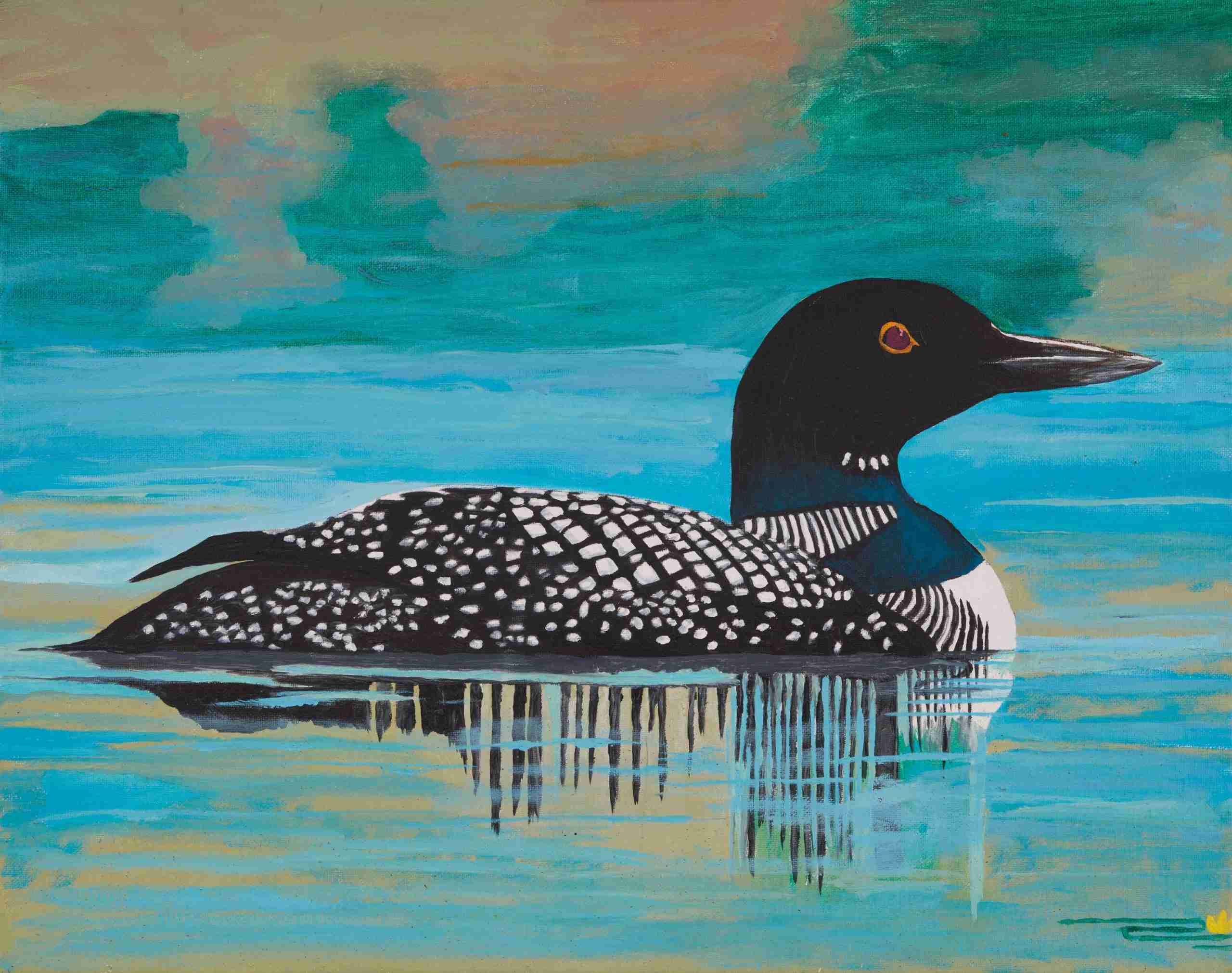
Can you tell which one is the original oil painting and which is the Giclee?
What is a Giclée Print? (and Why They’re Worth It)
Gallery- and museum-quality fine art reproductions are increasingly being made as giclée prints. These are prized by artists, galleries and collectors—but what exactly are they, and what should you know if you create or purchase one?
Defining the Term
A “true” giclée print refers to an archival-quality inkjet print that uses a wide-range, highly permanent set of inks. Because of the high standards and digital reproduction fidelity, these are widely used for gallery and museum exhibition, limited-edition fine art, private collections and archival purposes.
The term “giclée” comes from the French words gicleur (“nozzle”) and gicler (“to spray”), evoking the sprayed ink process. Over time, “giclée” has become shorthand in the art world for inkjet fine-art prints—even though technically it lacks a strict, consistent definition.
At Brooklyn Editions (the studio behind this piece), the preferred phrase is “archival digital pigment print,” because the word giclée doesn’t guarantee specific technical standards. It’s easy to call almost any digital print a giclée—but producing one that meets archival, gallery-quality standards demands much more care.
A Brief History
What Makes a Great Giclée Print?
To achieve truly top-tier results, six critical factors must align:
Unless you invest in art, Giclee prints are the best value!
Here’s why these prints offer compelling value:
- They bring near-perfect colour reproduction and archival longevity at a fraction of the price of an original artwork.
- For artists, limited-edition giclée prints allow wider distribution of work at accessible price points, expanding both reach and revenue.
- For collectors, prints offer access to high-quality art without the same cost barrier as one-of-a-kind originals—while still maintaining quality and investment potential.
- If produced and handled correctly, and especially when part of a numbered limited edition, these prints can retain value and become part of a serious art collection.
How to Care for Giclée Prints
Even when the print is made with premium equipment, materials and expertise, its longevity depends on proper handling and storage. The key guidelines:
- Keep the print behind glass (ideally with UV-protection) when displayed.
- Avoid direct sunlight and strong ambient light.
- Store at stable, moderate temperatures (avoid extreme hot/cold fluctuations).
- Use acid-free interleaving and protective sleeves or folders when stored.
- Avoid proximity to solvents, paints, or other harmful materials.
- When mounted or framed, use acid-free adhesives and proper archival-quality framing materials.
With these precautions, a good giclée print can stay as crisp and rich as the day it was printed.